Home/Stays/Chiang Mai Province/Chiang Mai
Stays in Chiang Mai
Chiang Mai is the largest city in northern Thailand and the former capital of the Lanna Kingdom. Founded in 1296, its old city is enclosed by a moat and the remains of a brick wall, with temples such as Wat Phra Singh, Wat Chedi Luang and Wat Chiang Man inside. The city sits on the Ping River, a…
Every stay in Chiang Mai
Recent rates first, then the best-reviewed rooms. · page 1 of 5
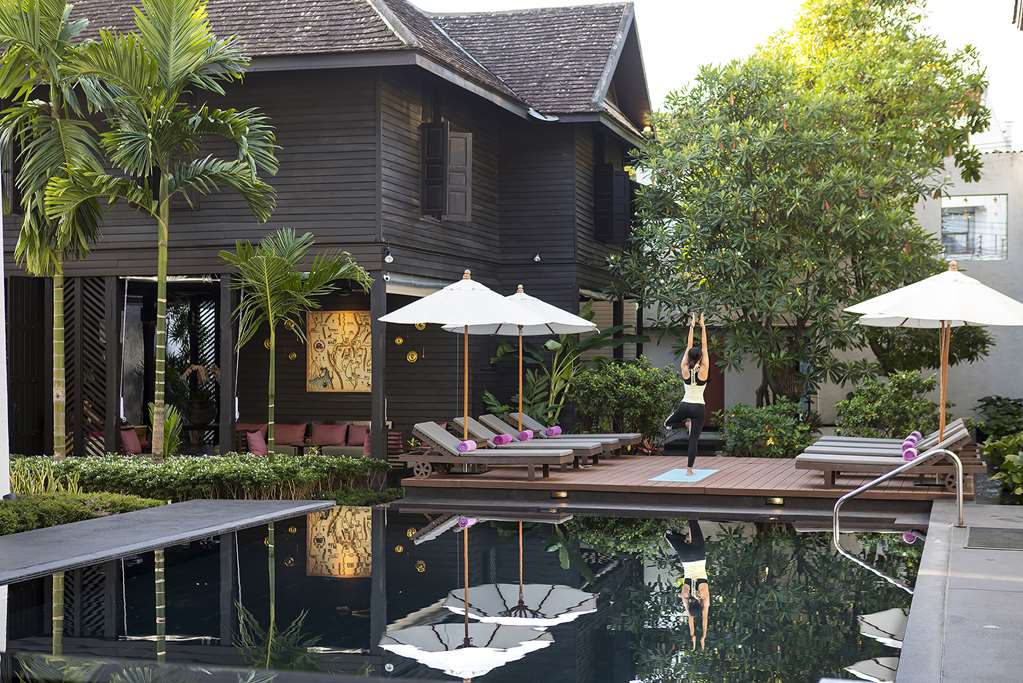
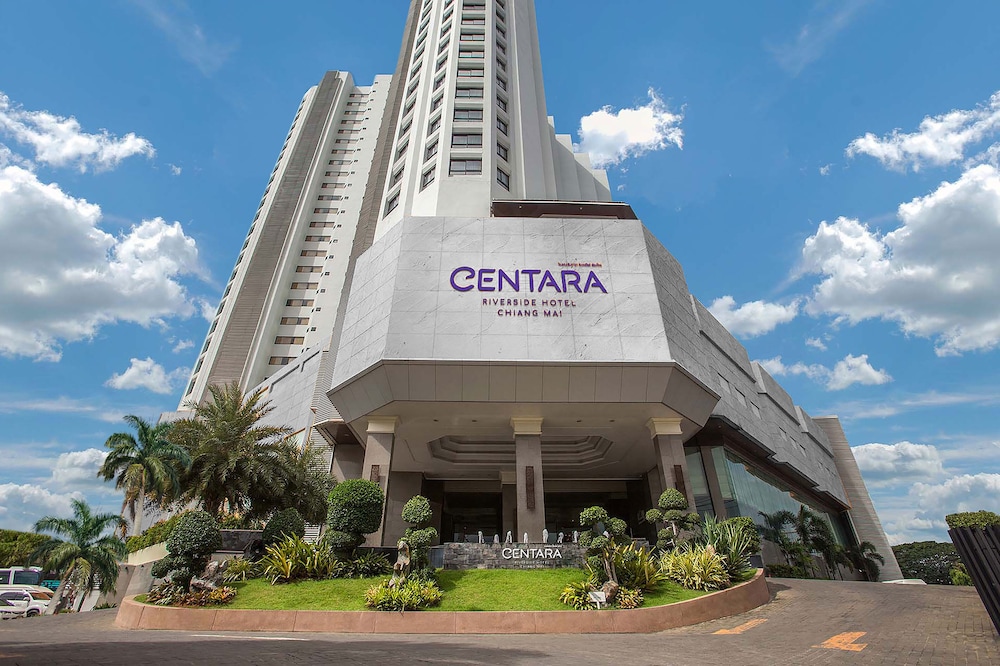
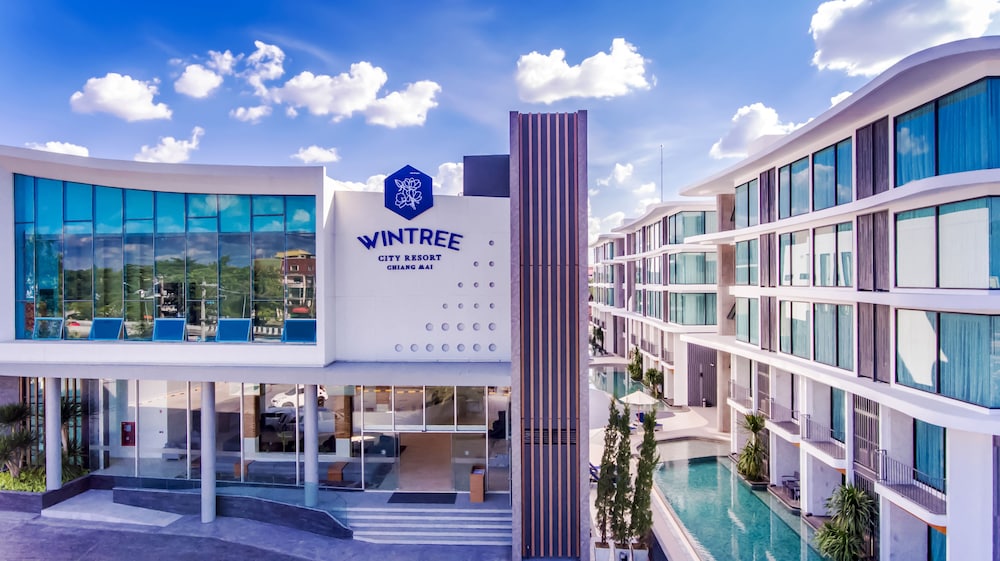
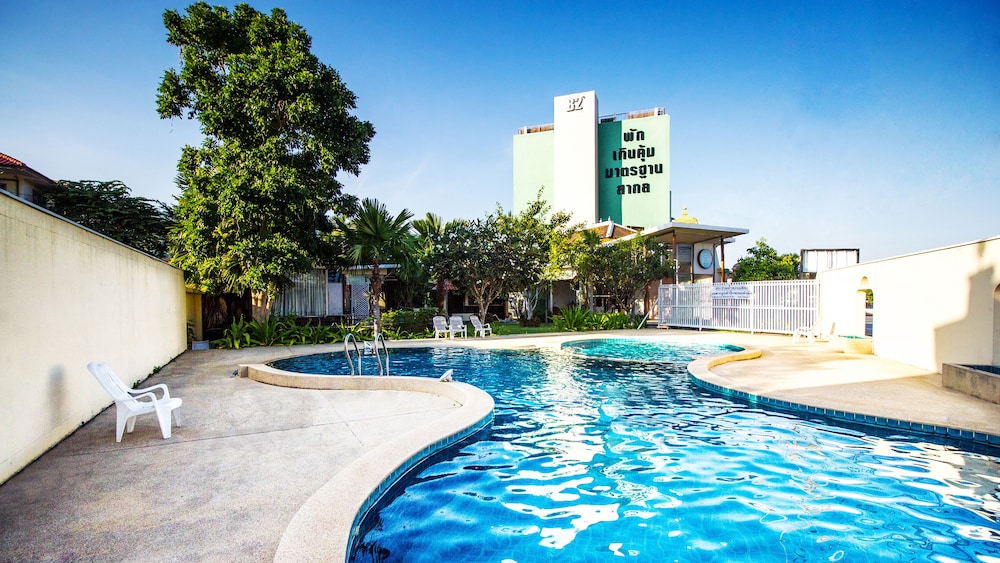
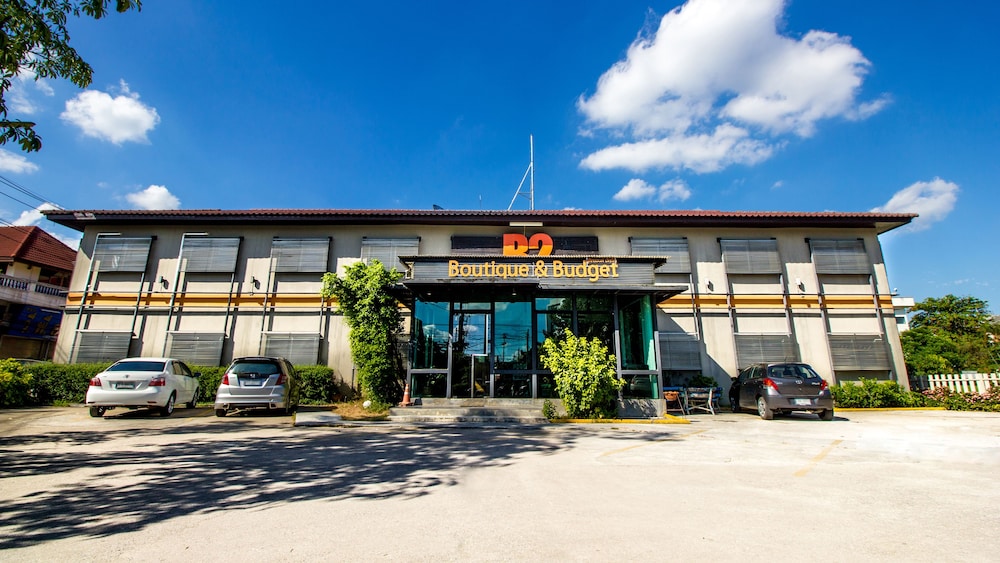
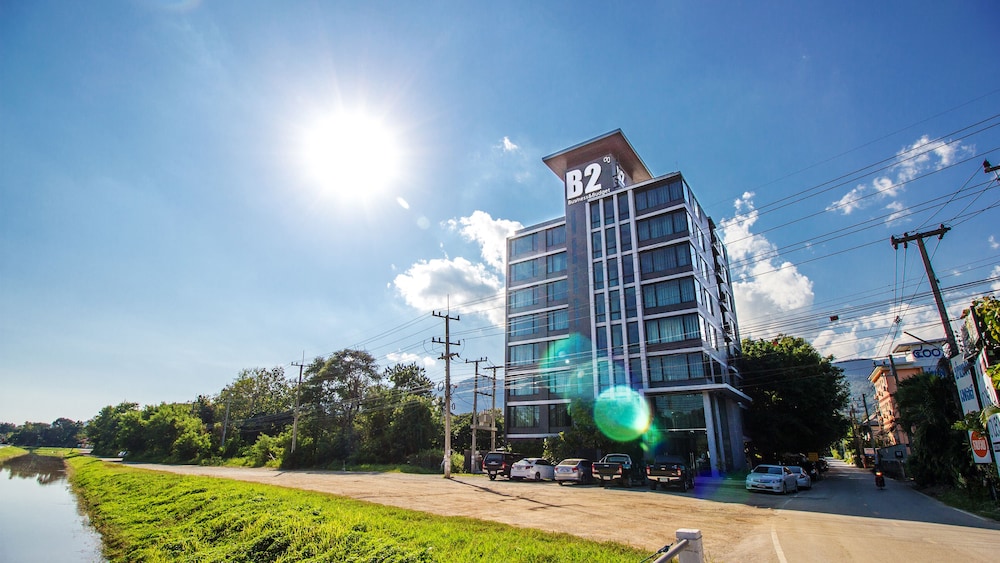
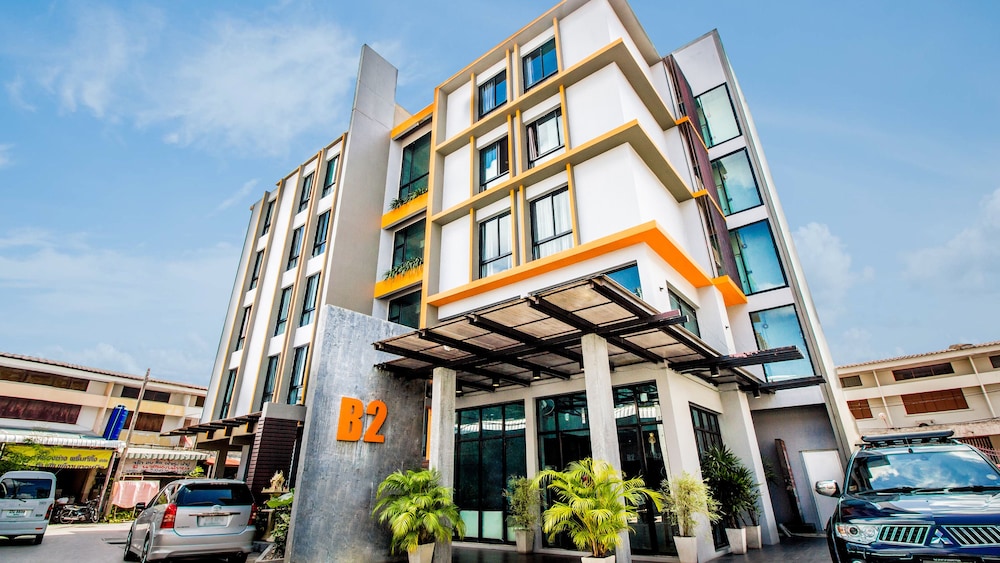
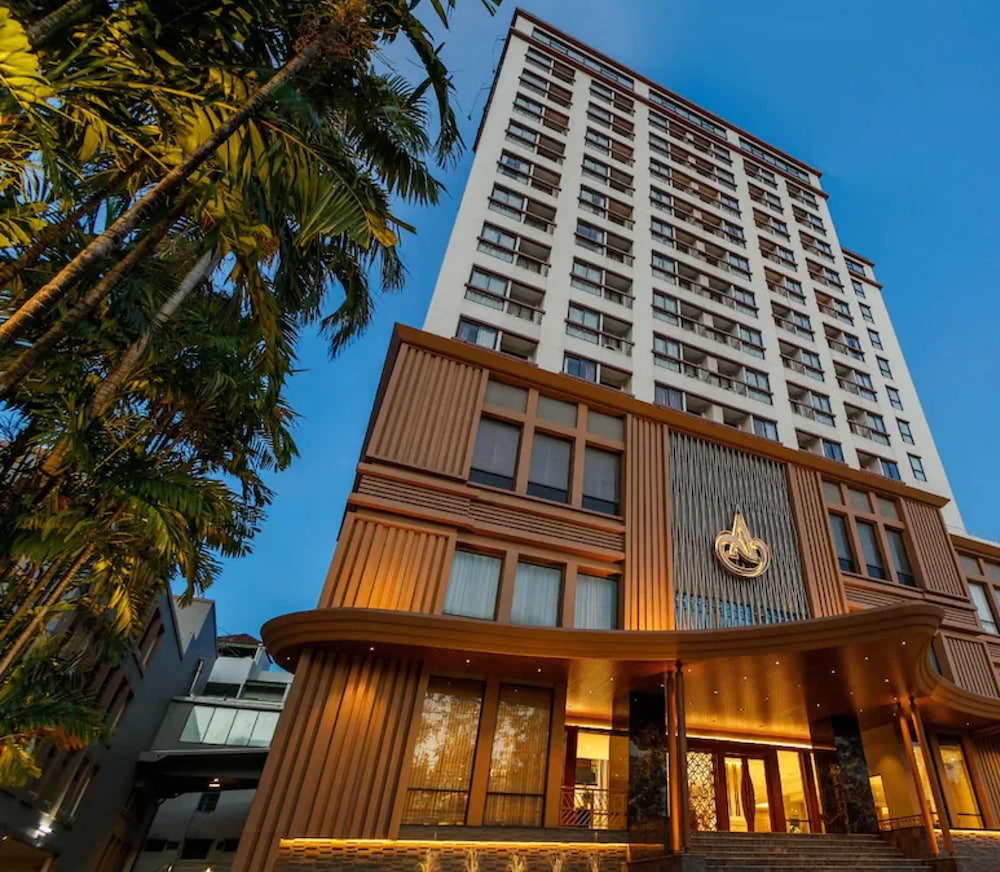
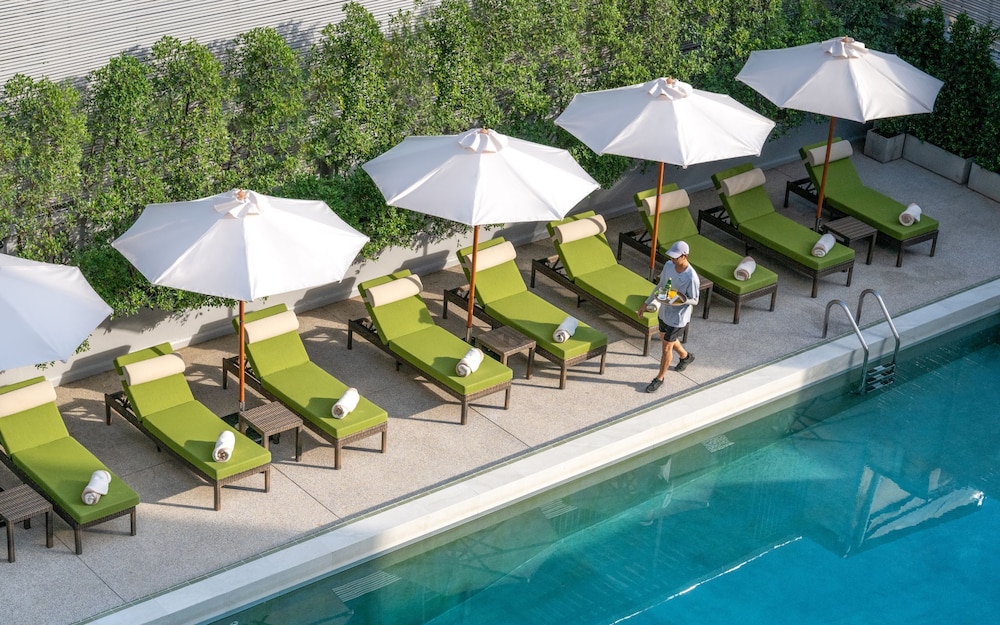
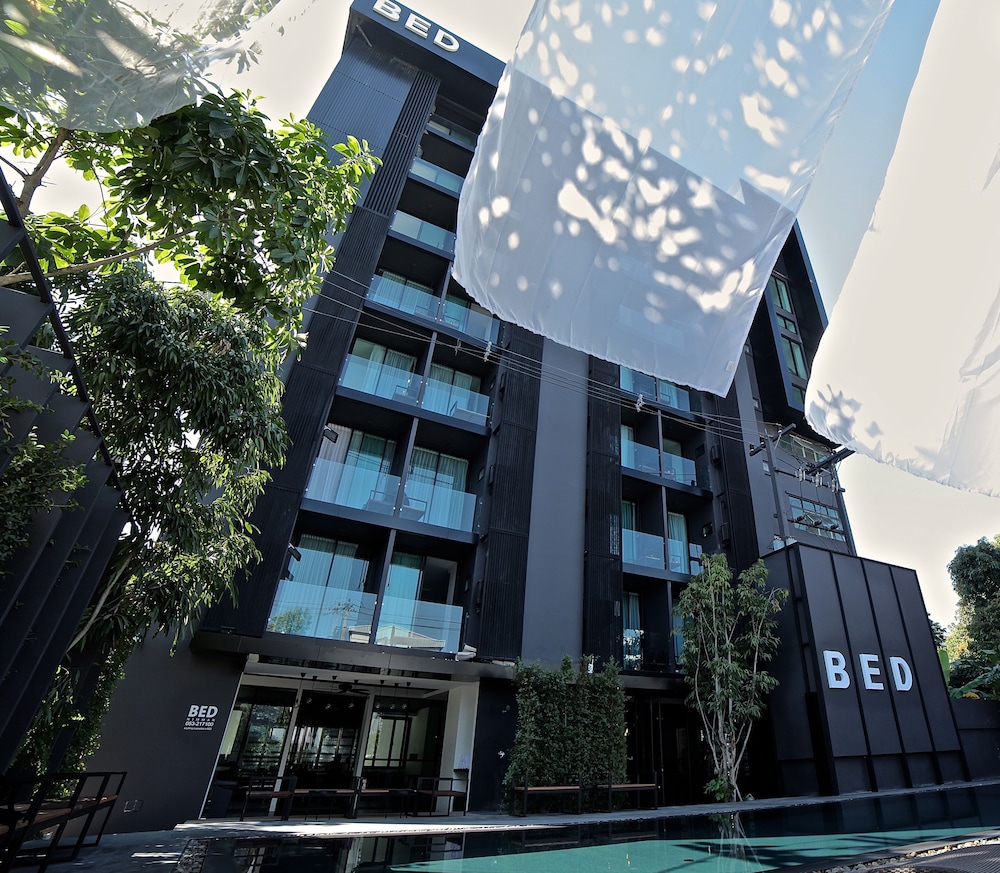


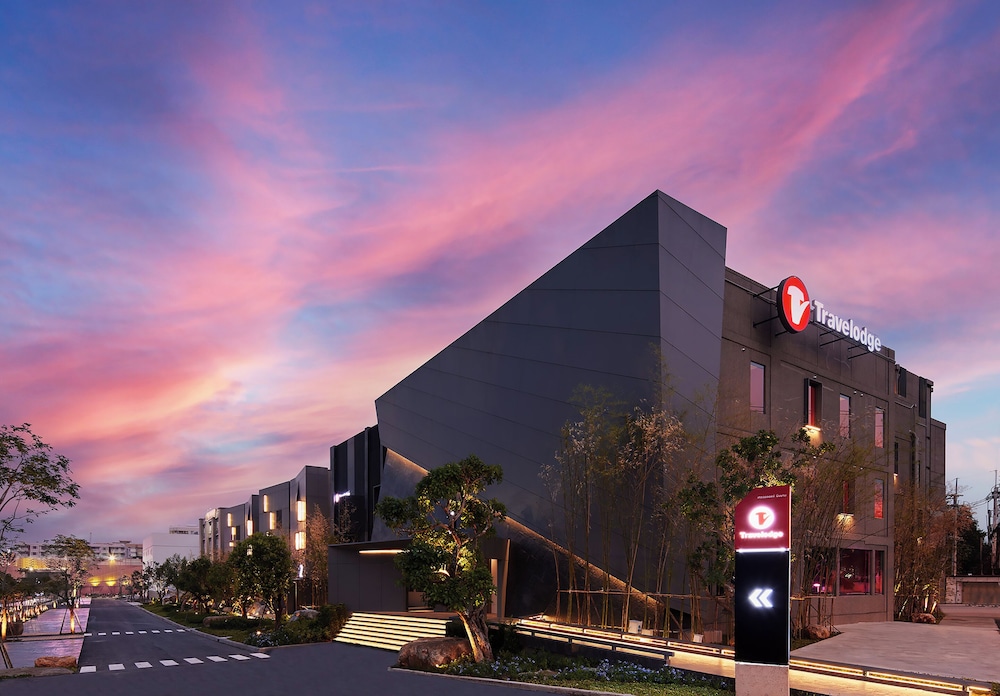
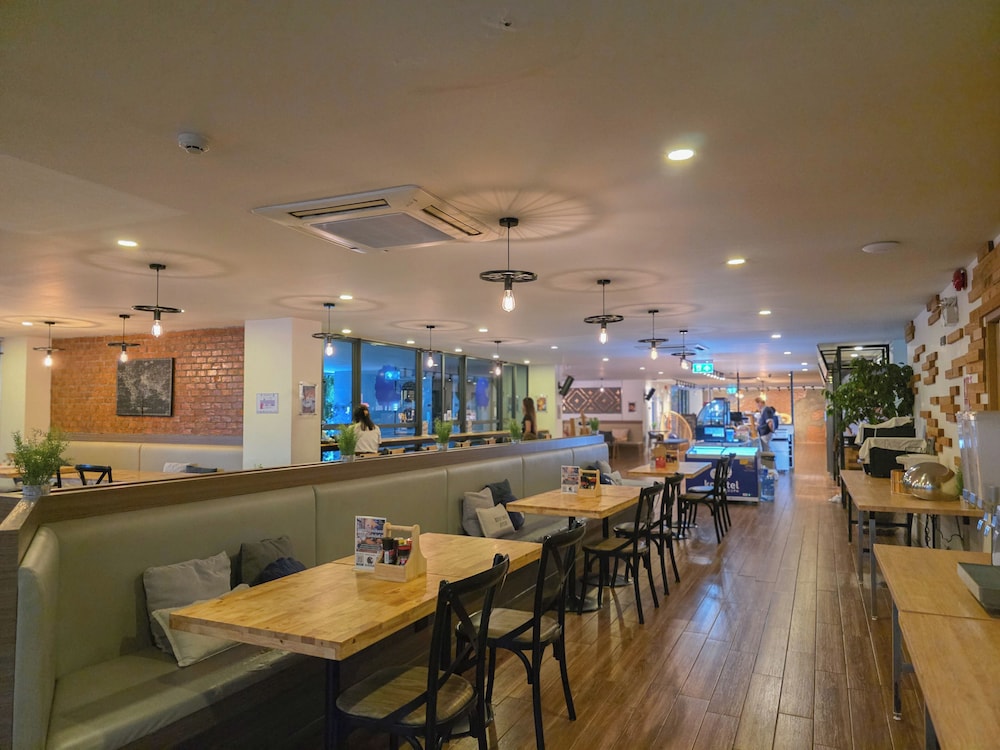

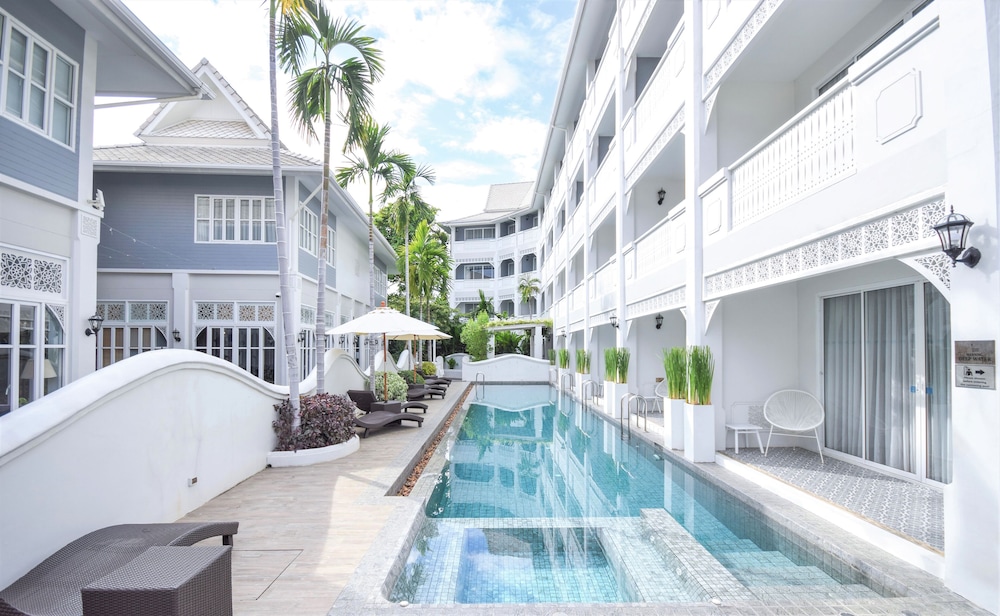
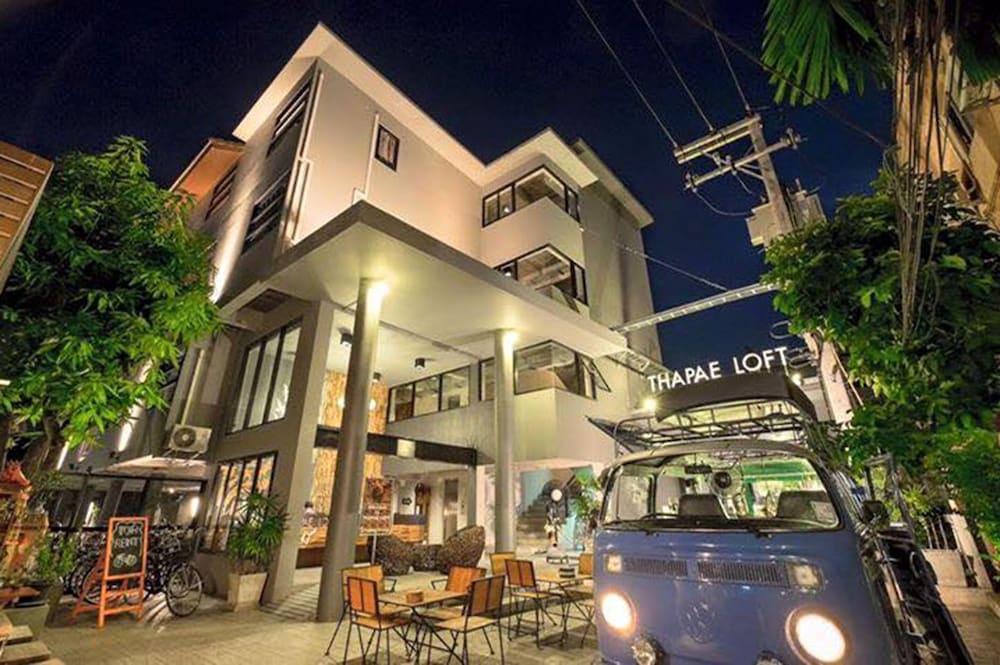
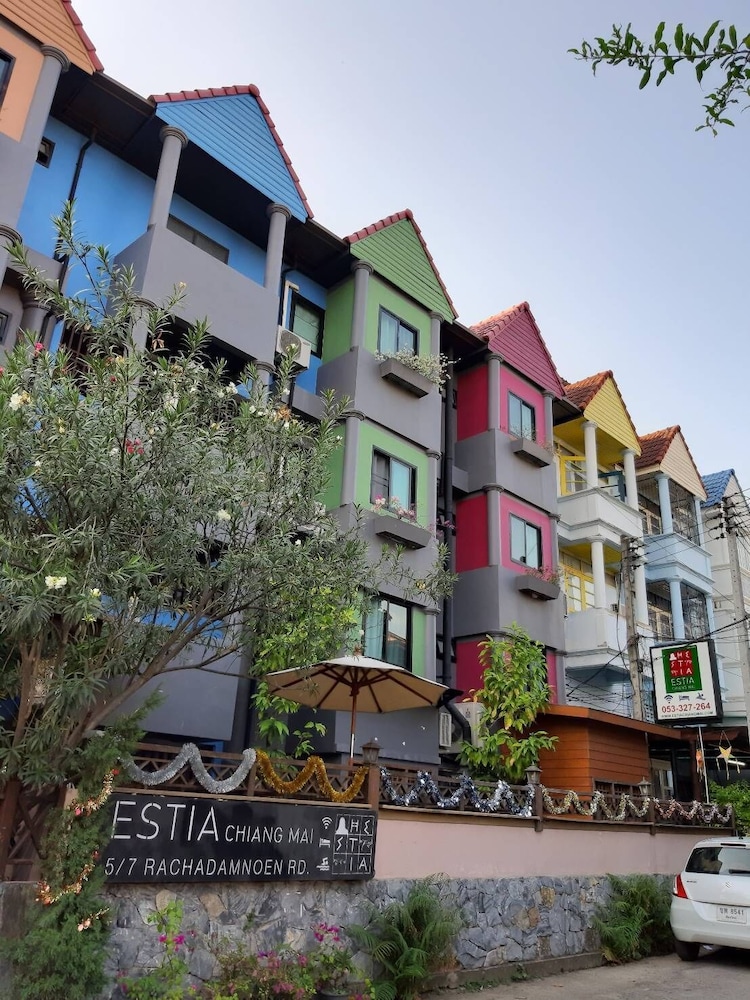
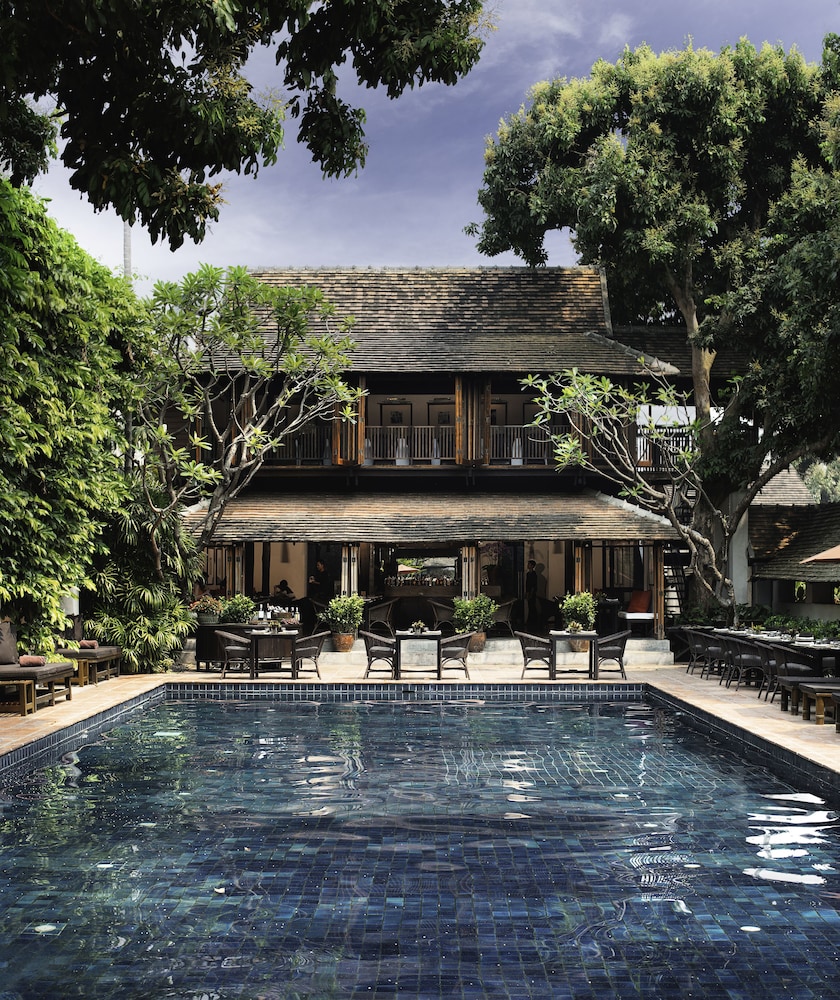
Search live rates in Chiang Mai
Pick your dates — every Chiang Mai room with a live price, in one list.
Free cancellation on most rooms · 1 t CO₂ removed per booking, at no extra cost.
About Chiang Mai
Beyond the old city, the Ping River runs along the east side, with riverside restaurants and the night bazaar area. Further out are the trendy neighbourhood of Nimmanhaemin and the university district around Chiang Mai University. The city is known for its many temples, its Sunday walking street market, and its role as a base for exploring northern Thailand's mountains and hill tribe villages. The climate has three seasons: a cooler dry season from November to February, a hot season from March to May, and a rainy season from June to October.
Where to stay in Chiang Mai
Old City. The historic centre within the moat, home to many temples, guesthouses and small hotels, and easy walking distance to markets and cafes.
Nimmanhaemin. A modern area west of the old city near Chiang Mai University, known for its cafes, boutiques and nightlife, with a range of hotels and serviced apartments.
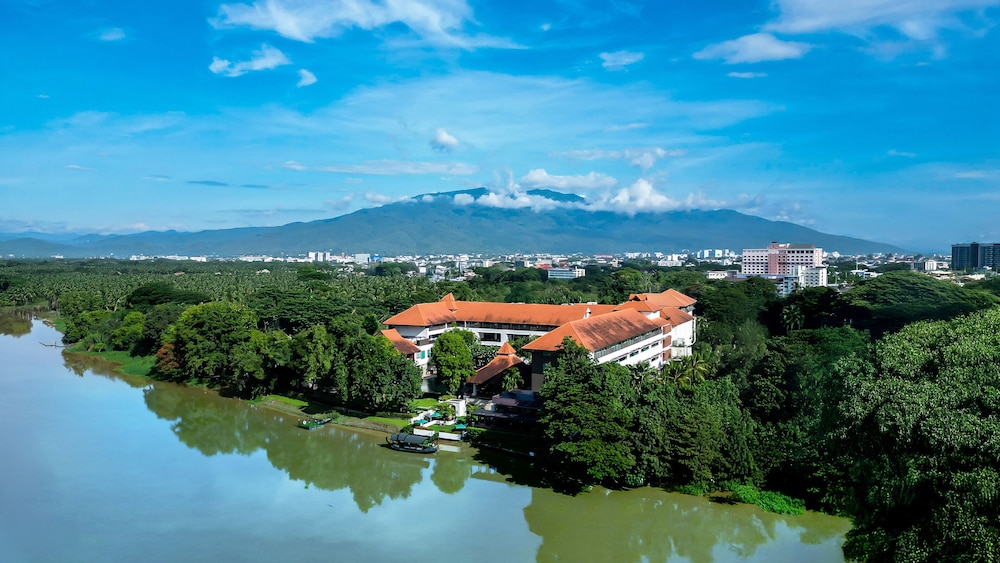
Riverside. Along the Ping River east of the old city, this area has riverside restaurants, the night bazaar and several larger hotels with river views.
Night Bazaar. The commercial district around Chang Klan Road, bustling with market stalls, bars and hotels, convenient for shopping and evening entertainment.
Getting there and around
Chiang Mai International Airport is about 3 kilometres from the old city and receives flights from Bangkok and other Thai cities, as well as some international destinations. Trains from Bangkok's Krung Thep Aphiwat Central Terminal take around 11 to 13 hours to Chiang Mai Railway Station, east of the old city. Long-distance buses from Bangkok's Mo Chit terminal take about 9 to 10 hours. Within Chiang Mai, songthaews (shared red trucks) and tuk-tuks are common; taxis and ride-hailing apps are also available. The old city is compact and walkable, while Nimmanhaemin and the riverside are a short ride away.
When to go
The best time to visit Chiang Mai is during the cool dry season from November to February, when temperatures are milder and rainfall is low. This period includes the Yi Peng (Lantern Festival) and Loi Krathong in November, and the Flower Festival in February. March to May is hot and can be smoky due to agricultural burning, while the rainy season from June to October brings lush landscapes and fewer crowds.
Questions, answered
What is Chiang Mai known for?
Chiang Mai is known for its Lanna heritage, with over 300 temples, including Wat Phra Singh and Wat Chedi Luang in the old city, and Wat Phra That Doi Suthep on the mountain overlooking the city. It is also famous for its night markets, such as the Sunday Walking Street and the Night Bazaar.
How do I get around Chiang Mai?
Songthaews (red trucks) are a common shared transport, and tuk-tuks and taxis are available. The old city is walkable, and you can rent bicycles or scooters. Ride-hailing apps operate in the city.
What is the best time to visit Chiang Mai?
The cool dry season from November to February offers the most pleasant weather. The city celebrates Loi Krathong and Yi Peng in November, and the Flower Festival in February.
Is Chiang Mai safe for tourists?
Chiang Mai is generally a safe city for tourists, with low crime rates. As with any destination, take normal precautions with your belongings and be aware of your surroundings.
What are the must-see attractions in Chiang Mai?
Key attractions include Wat Phra That Doi Suthep, the old city temples, the Sunday Walking Street market, the Night Bazaar, and Doi Inthanon National Park, which contains Thailand's highest mountain.