Home/Stays/Chiang Mai Province/Chiang Dao
Stays in Chiang Dao
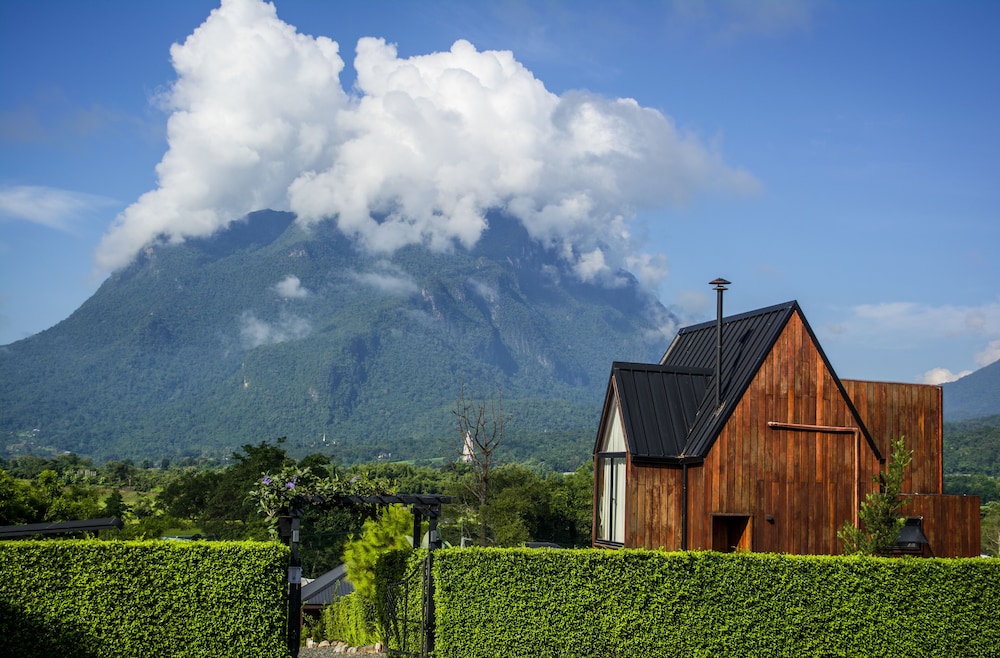
Chiang Dao is a district in Chiang Mai Province, northern Thailand, about 70 kilometres north of Chiang Mai city. It is best known for Doi Chiang Dao, a limestone massif that rises sharply above the surrounding plains and is one of the country's most prominent peaks. The area around the mountain is…
Every stay in Chiang Dao
Recent rates first, then the best-reviewed rooms.
Search live rates in Chiang Dao
Pick your dates — every Chiang Dao room with a live price, in one list.
Free cancellation on most rooms · 1 t CO₂ removed per booking, at no extra cost.
About Chiang Dao
Where to stay in Chiang Dao
Chiang Dao town. The main town area has the highest concentration of shops, markets and restaurants, and is convenient for walking to nearby temples and the bus stop.
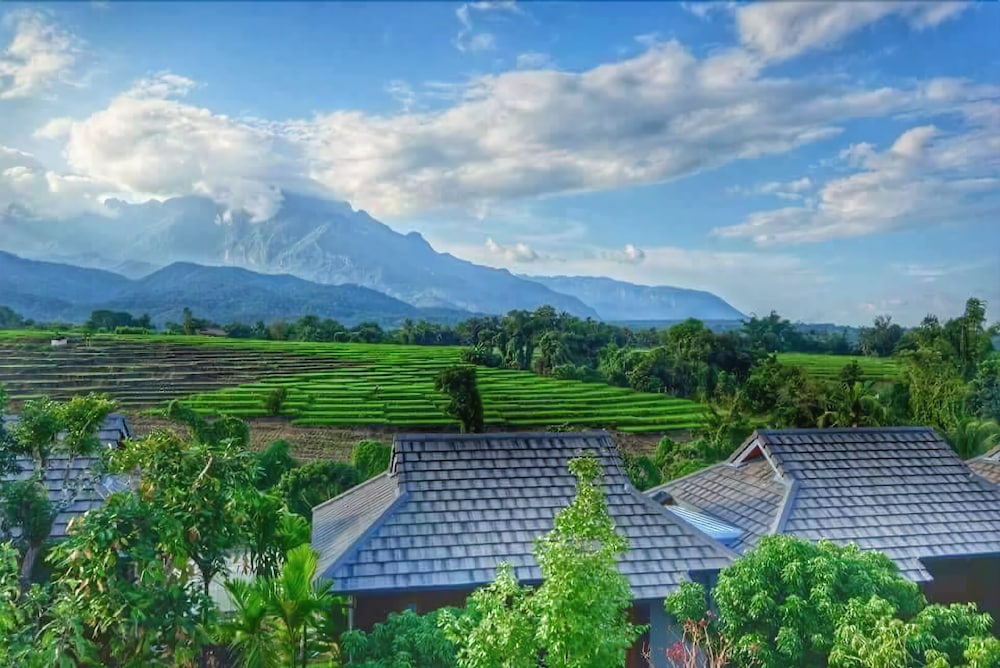
Along the road to Tham Chiang Dao. The road leading towards the Chiang Dao Cave passes several resorts and guesthouses with views of the mountain, set among fields and trees.
Ban Tham. A village near the cave entrance, Ban Tham has a cluster of small guesthouses and is the closest base for exploring the cave and the sanctuary trails.
Mueang Khong. A quiet village north of Chiang Dao town, surrounded by farmland and offering a more rural stay with easy access to the mountain's northern side.
Getting there and around
Chiang Dao is about 70 kilometres north of Chiang Mai. The most common way to get there is by road: public buses and minivans leave from Chang Phueak bus station in Chiang Mai and take around one and a half to two hours. Songthaews (shared pickups) also run from Chiang Mai, but they can be slower. If you are driving, take Highway 107 north towards Fang; the turn-off to Chiang Dao is well signposted. Once in Chiang Dao, local songthaews and tuk-tuks can take you between the town, the cave and nearby villages. Having your own transport makes it easier to explore the wider area.
When to go
The best time to visit Chiang Dao is from November to February, when the weather is cooler and drier. Daytime temperatures are pleasant, and nights can be chilly, especially in the hills. The rainy season from June to October brings lush green landscapes but also occasional heavy showers and muddy trails. The hot season from March to May can be very warm, and smoke from agricultural burning sometimes affects air quality in the region. For clear mountain views, the cool season is generally the most reliable.
Questions, answered
What is Chiang Dao known for?
Chiang Dao is known for Doi Chiang Dao, a prominent limestone mountain, and for the Chiang Dao Cave, a large cave system that is a popular attraction. The surrounding area is part of a wildlife sanctuary.
How do I get to Chiang Dao from Bangkok?
From Bangkok, you can fly to Chiang Mai and then travel by road to Chiang Dao, or take an overnight bus or train to Chiang Mai and continue from there. The journey from Bangkok to Chiang Mai takes several hours by air or overnight by land.
What is the best way to get around Chiang Dao?
Local songthaews and tuk-tuks are available for short trips. Renting a motorbike or car gives you more flexibility to explore the cave, the mountain and nearby villages at your own pace.
Are there restaurants and shops in Chiang Dao?
Yes, Chiang Dao town has local markets, small restaurants and convenience stores. The choice is more limited than in Chiang Mai, but you will find places to eat and buy essentials.
Is Chiang Dao suitable for families?
Chiang Dao can be suitable for families, with attractions like the cave and easy nature walks. However, some trails and cave sections may be challenging for young children or those with limited mobility.
What should I pack for Chiang Dao?
Pack layers, as mornings and evenings can be cool in the cool season. Bring comfortable walking shoes, sun protection and rain gear if you are visiting during the wet season. Insect repellent is also useful.