Home/Stays/Nakhon Ratchasima Province/Pak Chong
Stays in Pak Chong
Pak Chong is a district in Nakhon Ratchasima Province, often called the gateway to Khao Yai, Thailand's third-largest national park. The town itself sits on the edge of the Dong Phaya Yen mountains and serves as a base for visitors exploring the park's waterfalls, trails, and viewpoints. While Khao…
Every stay in Pak Chong
Recent rates first, then the best-reviewed rooms.
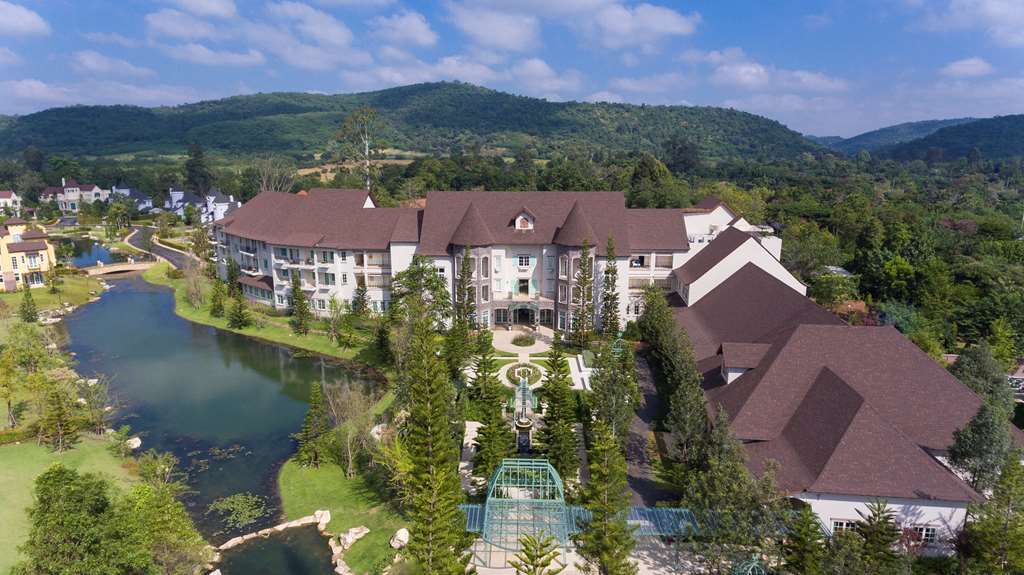
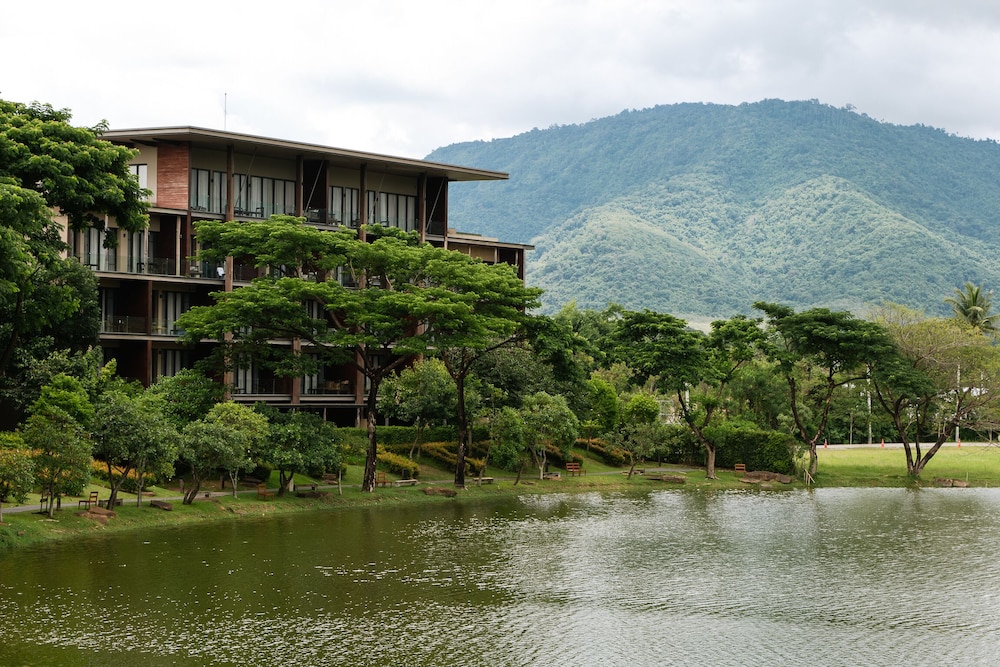
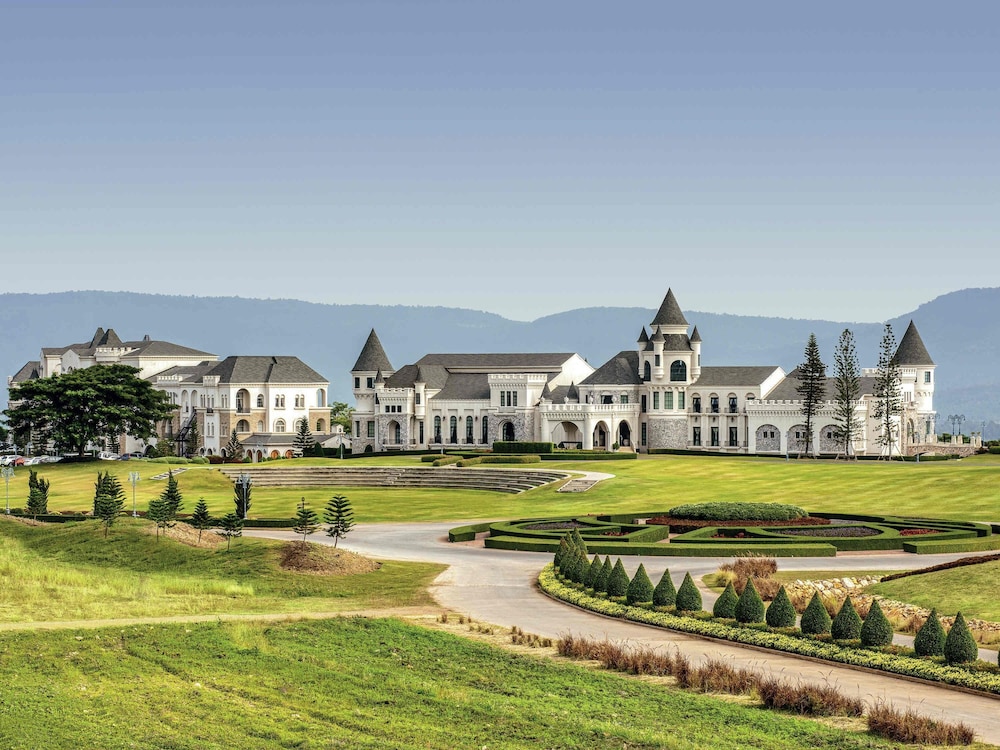
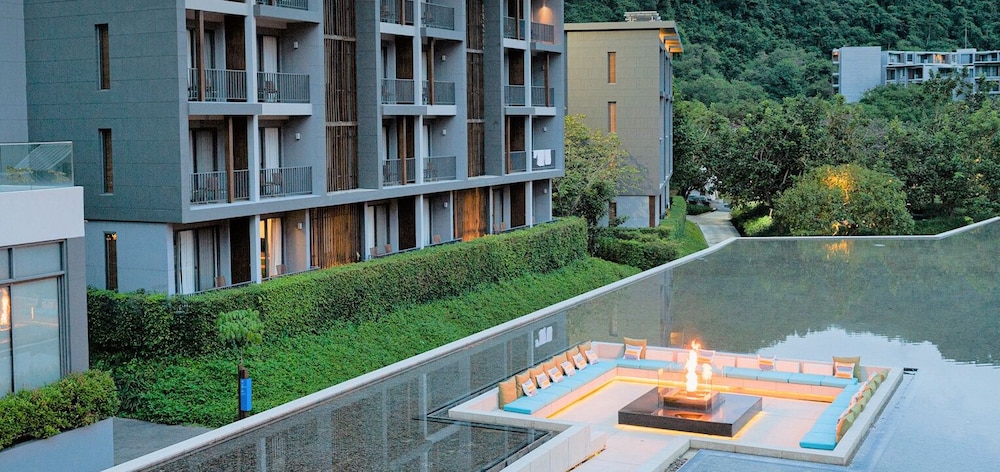
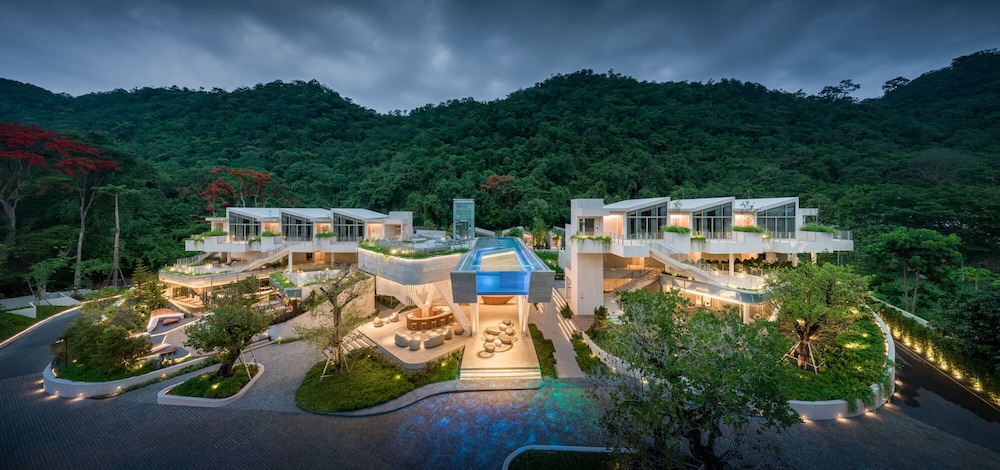
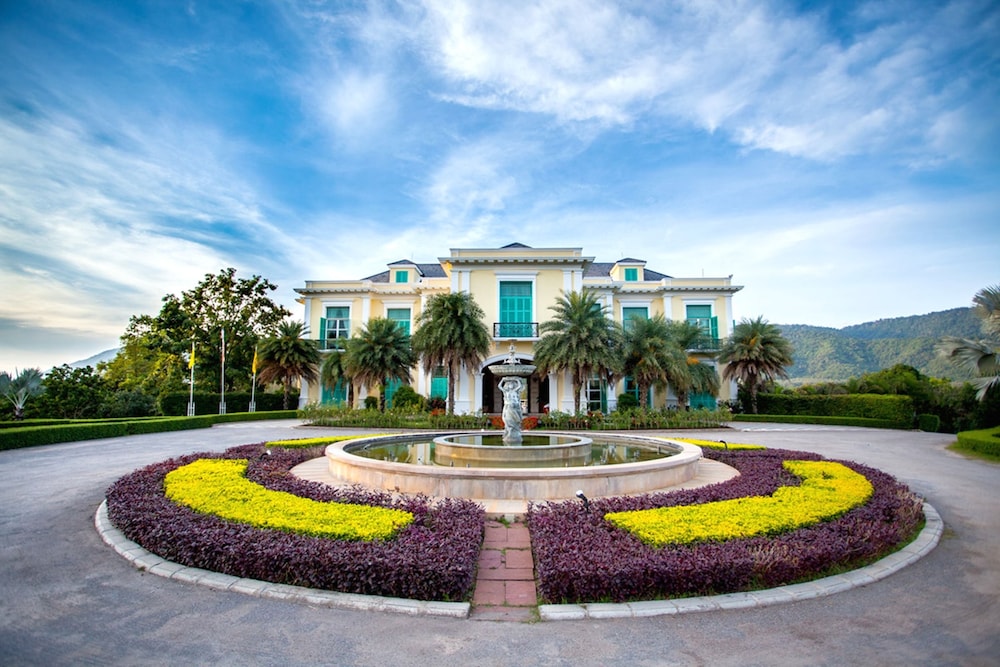
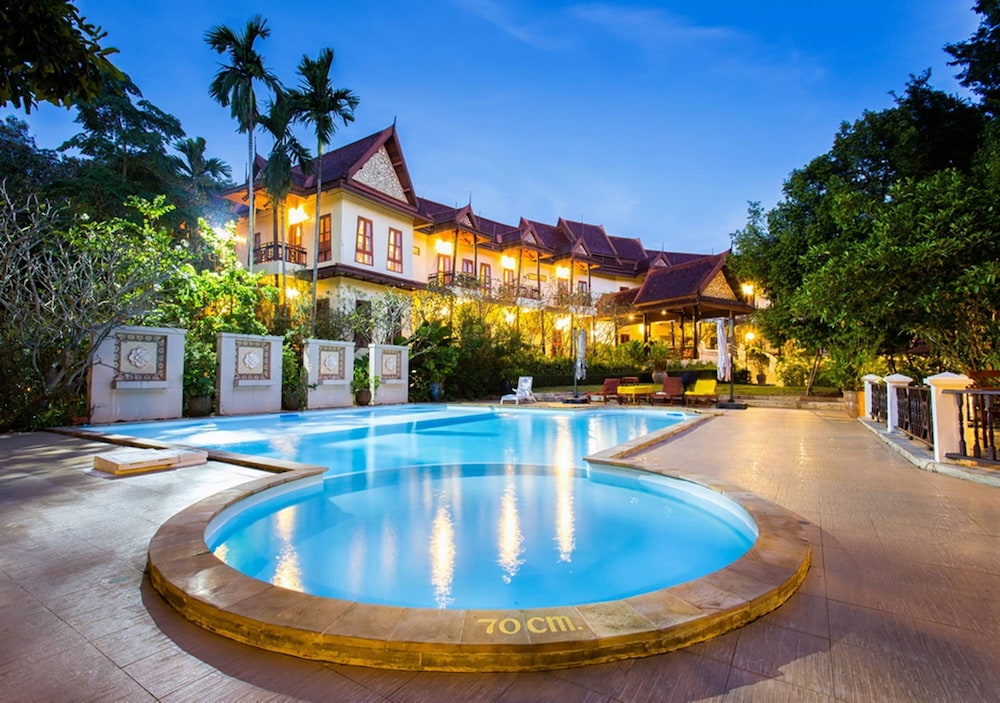

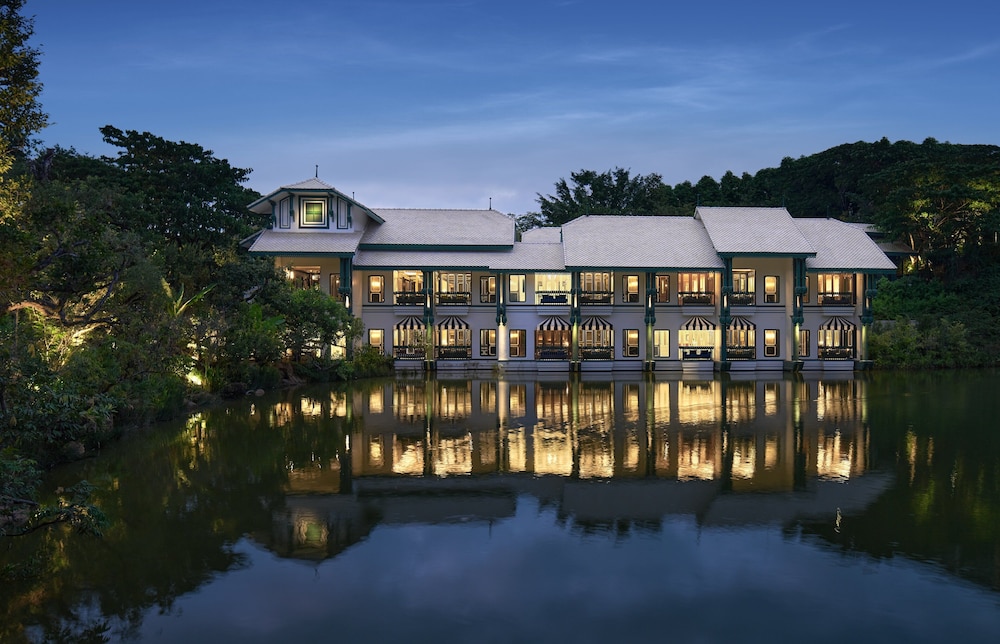
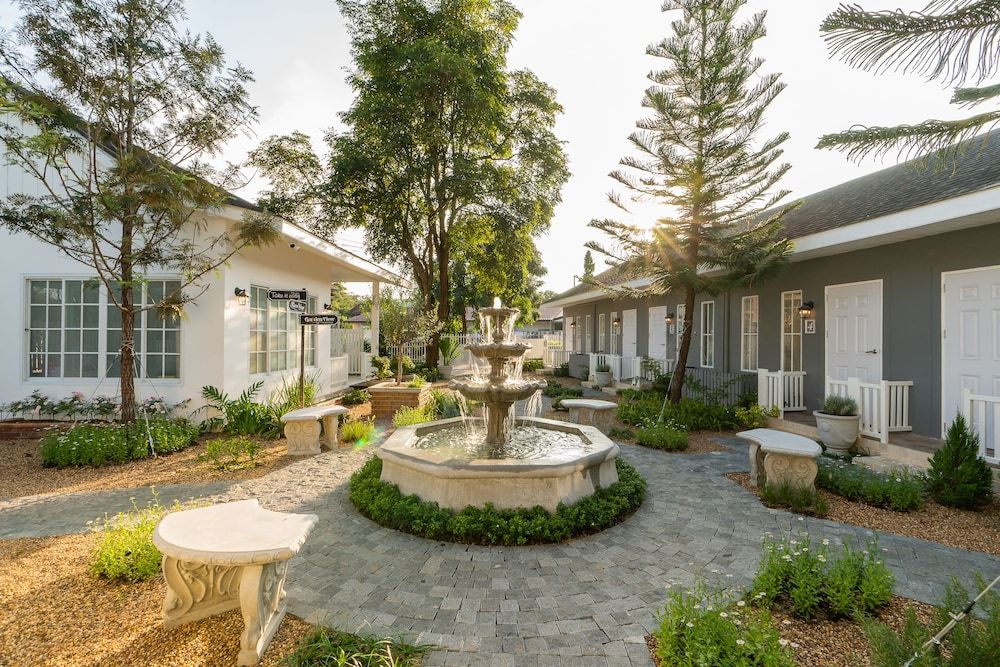
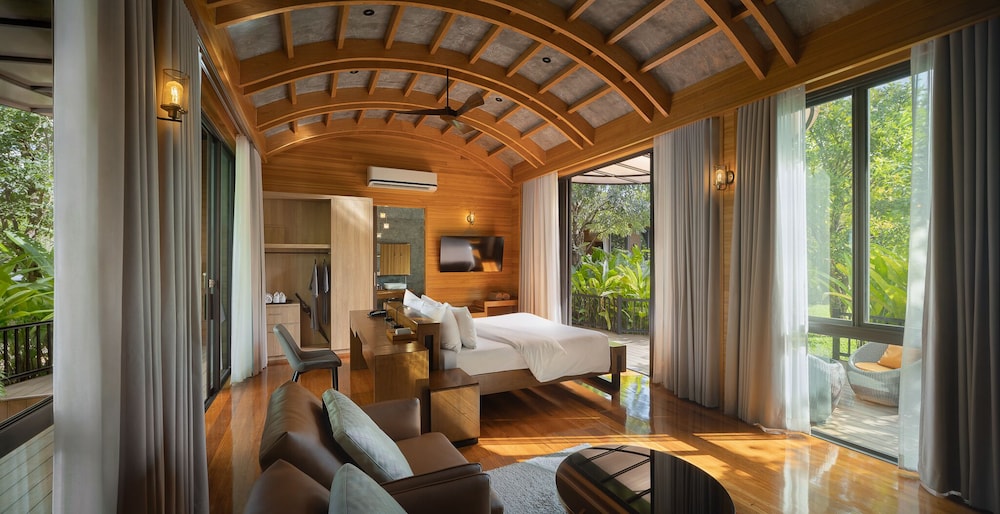
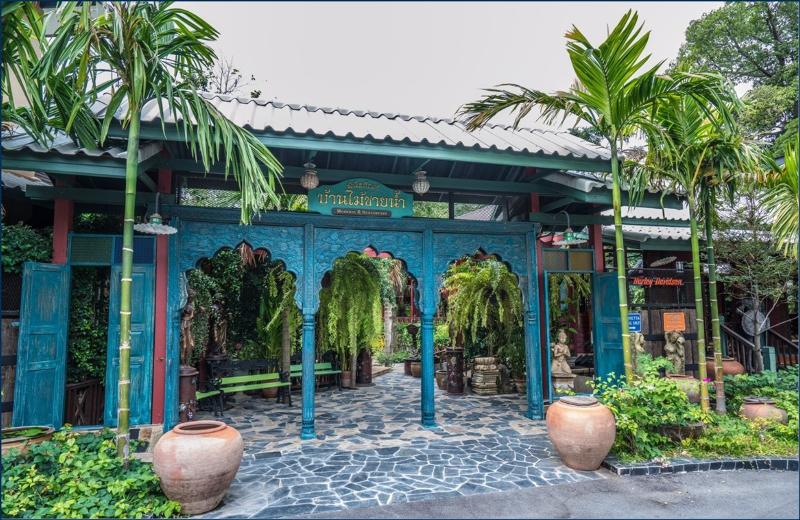
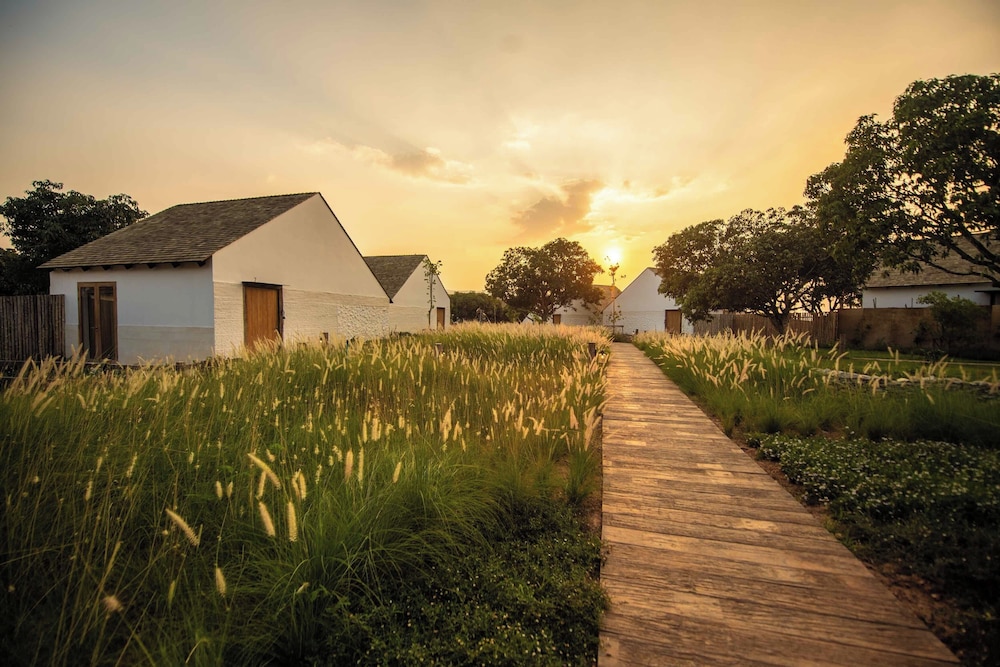
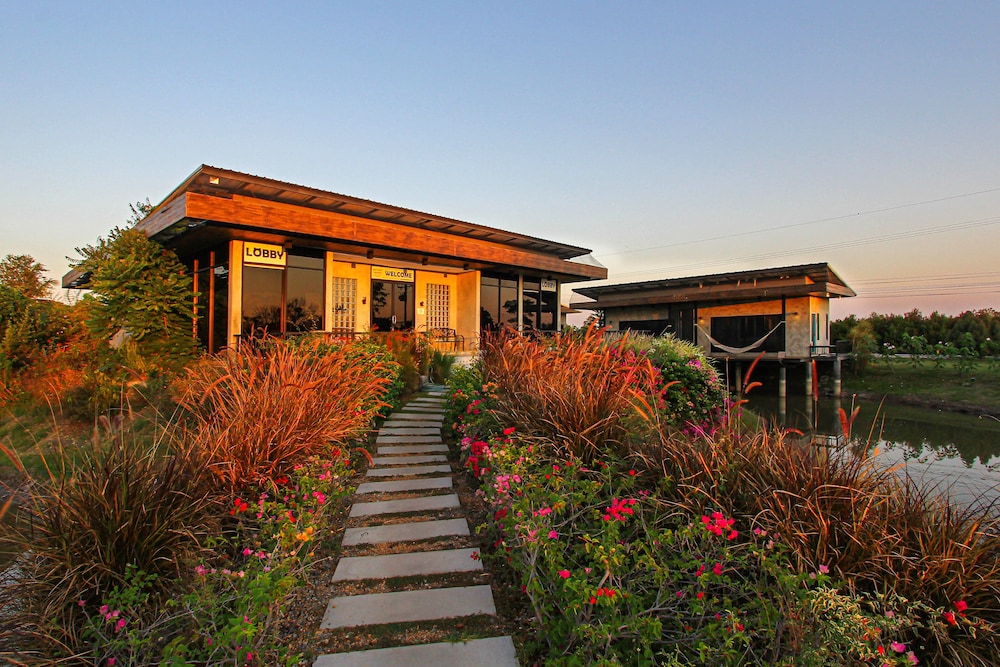

Search live rates in Pak Chong
Pick your dates — every Pak Chong room with a live price, in one list.
Free cancellation on most rooms · 1 t CO₂ removed per booking, at no extra cost.
About Pak Chong
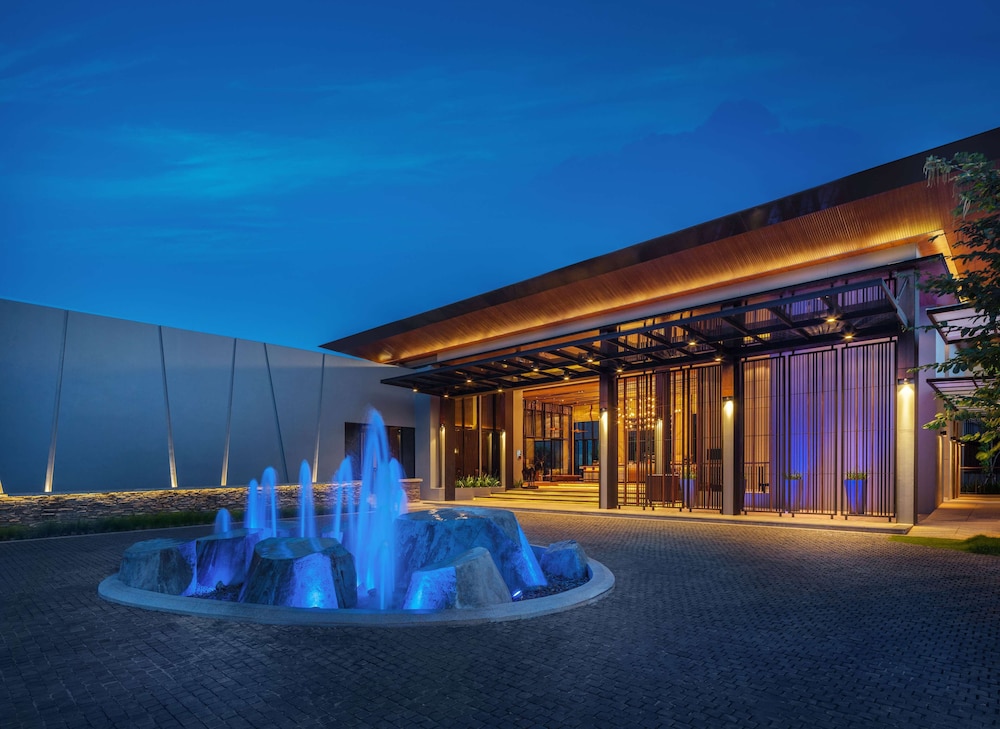
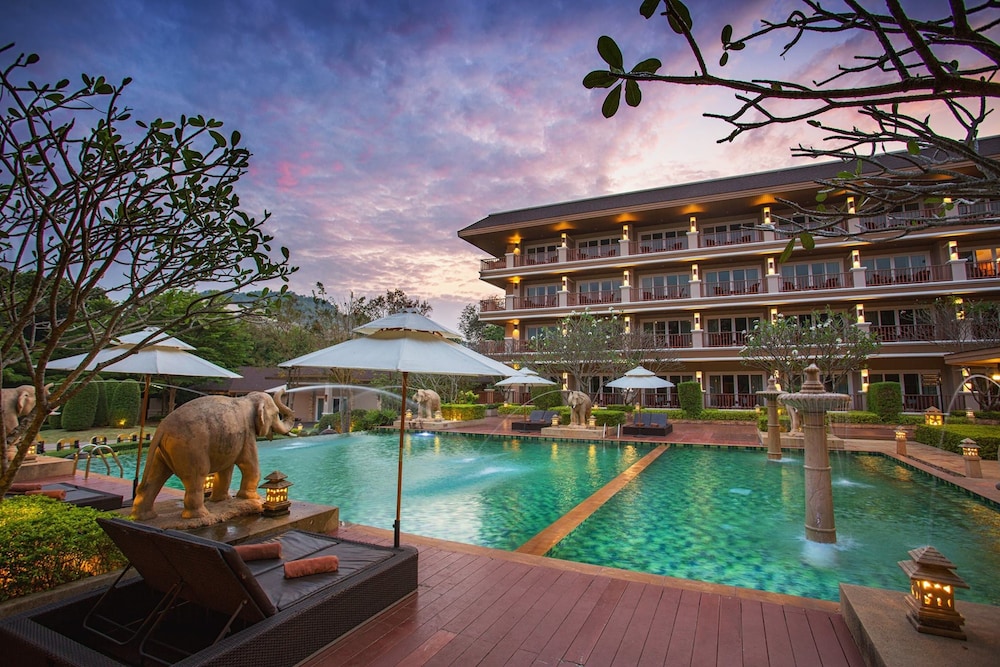
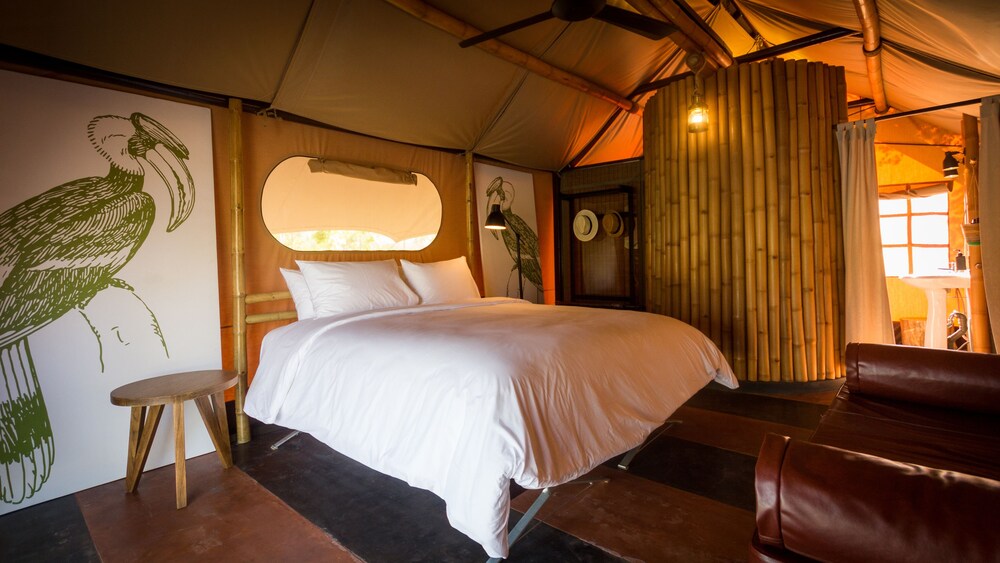
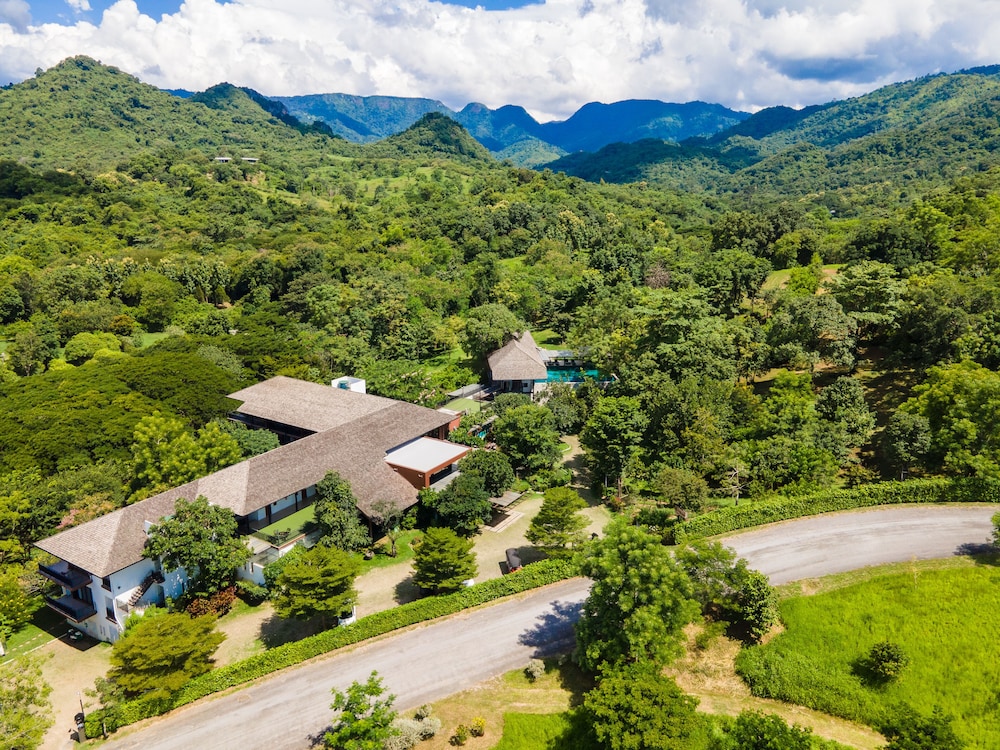
The area around Pak Chong has developed into a resort destination, with a range of accommodation from simple guesthouses to international brands. Many visitors use the town as a stopover between Bangkok and northeastern Thailand, or as a weekend escape from the capital. The mix of nature, cool climate in the higher elevations, and proximity to Bangkok make it a popular choice for both Thai and foreign tourists.
Beyond the national park, Pak Chong offers attractions such as the Chokchai Farm, vineyards, and golf courses. The town's railway station is a historic stop on the northeastern line, and the local night market provides a taste of regional cuisine. Whether for adventure or relaxation, Pak Chong serves as a convenient and comfortable hub.
Where to stay in Pak Chong
Khao Yai National Park area. The area closest to the park entrance offers resorts and lodges with easy access to trails and waterfalls.
Pak Chong town centre. Staying in town puts you near the railway station, markets, and local restaurants, with basic to mid-range hotels.
Thanarat Road. This main road leading to Khao Yai is lined with numerous resorts, restaurants, and attractions, popular with weekenders.
Muak Lek. A neighbouring district to the west, Muak Lek offers a quieter base with its own attractions and resorts.
Getting there and around
Pak Chong is about 200 kilometres northeast of Bangkok, a drive of roughly two to three hours via Highway 2 (Mittraphap Road). Regular buses and minivans depart from Bangkok's Mo Chit Bus Terminal, and the town is also served by trains on the northeastern line from Hua Lamphong Station. The nearest airport is Suvarnabhumi in Bangkok. Once in Pak Chong, songthaews (shared taxis) and motorbike taxis are available for local travel, but having your own vehicle or hiring a car is convenient for exploring Khao Yai and surrounding attractions.
When to go
The best time to visit Pak Chong is during the cool season, from November to February, when temperatures are milder and the weather is dry. This is also the peak period for Khao Yai National Park, with clear skies and comfortable hiking conditions. The rainy season from May to October brings lush greenery but can make trails slippery. March to April is hot, with temperatures often exceeding 35°C. Weekends and Thai public holidays are busy, so book accommodation in advance.
Questions, answered
What is Pak Chong known for?
Pak Chong is best known as the gateway to Khao Yai National Park, a UNESCO World Heritage site. It also has attractions like Chokchai Farm and several vineyards.
How do I get to Pak Chong from Bangkok?
You can take a bus or minivan from Mo Chit Bus Terminal, or a train from Hua Lamphong Station. The journey takes about two to three hours by road.
What is the best way to get around Pak Chong?
Songthaews and motorbike taxis operate in town, but hiring a car or using a private driver is recommended for visiting Khao Yai and nearby attractions.
When is the best time to visit Pak Chong?
The cool season from November to February offers the most pleasant weather. It is also the best time for hiking in Khao Yai National Park.
Are there any national parks near Pak Chong?
Yes, Khao Yai National Park is the most famous, located just north of Pak Chong. It offers waterfalls, wildlife viewing, and hiking trails.
What types of accommodation are available in Pak Chong?
Pak Chong has a wide range of accommodation, from budget guesthouses to luxury resorts, particularly along Thanarat Road and near the national park.